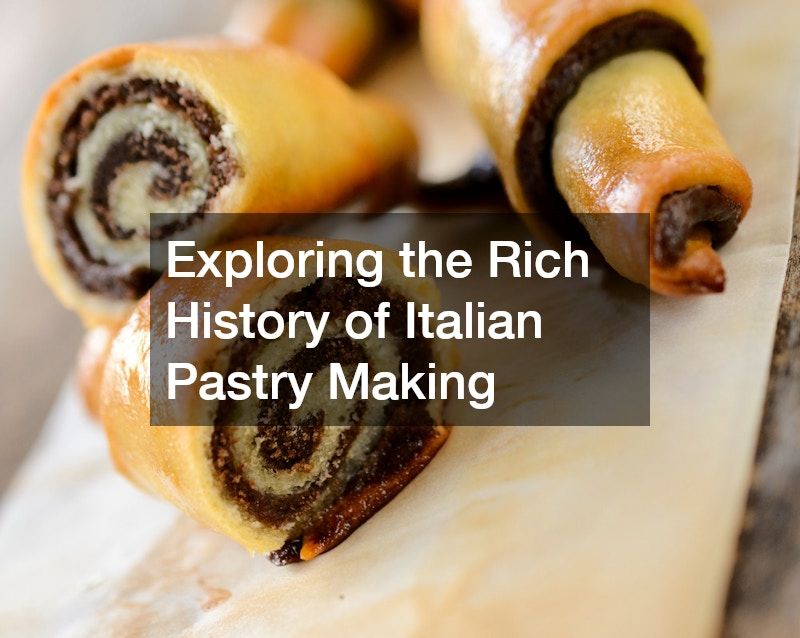
Italian desserts are celebrated around the world for their rich flavors, regional diversity, and deep cultural roots. From flaky pastries filled with sweet cream to delicate cookies enjoyed during holidays, Italy’s baking traditions have evolved over centuries. The story of the Italian pastry is closely tied to the country’s history, reflecting influences from ancient civilizations, trade routes, religious customs, and local ingredients. Exploring this culinary heritage reveals how generations of bakers transformed simple recipes into beloved treats that continue to delight people today.
Ancient Origins and Early Influences
The foundations of Italian baking can be traced back to ancient Rome, where cooks created sweet dishes using ingredients such as honey, nuts, fruits, and grains. Unlike modern desserts, many Roman sweets were relatively simple and often served during celebrations or religious ceremonies.
As the Roman Empire expanded, new ingredients and cooking techniques entered the region, helping to shape early pastry traditions.
Following the fall of Rome, Italy became a crossroads for merchants traveling throughout Europe, the Middle East, and North Africa. These trade connections introduced valuable ingredients, including sugar, cinnamon, cloves, almonds, and citrus fruits. Arab influences were especially significant in southern Italy and Sicily, where many classic desserts still showcase ingredients first brought to the region centuries ago.
Monasteries also played an important role in preserving and developing baking techniques during the Middle Ages. Nuns and monks frequently prepared sweets for religious festivals and special occasions, refining recipes that would eventually become regional specialties. Many historians credit these religious communities with helping establish some of Italy’s most enduring dessert traditions.
Regional Traditions That Shaped Italian Baking
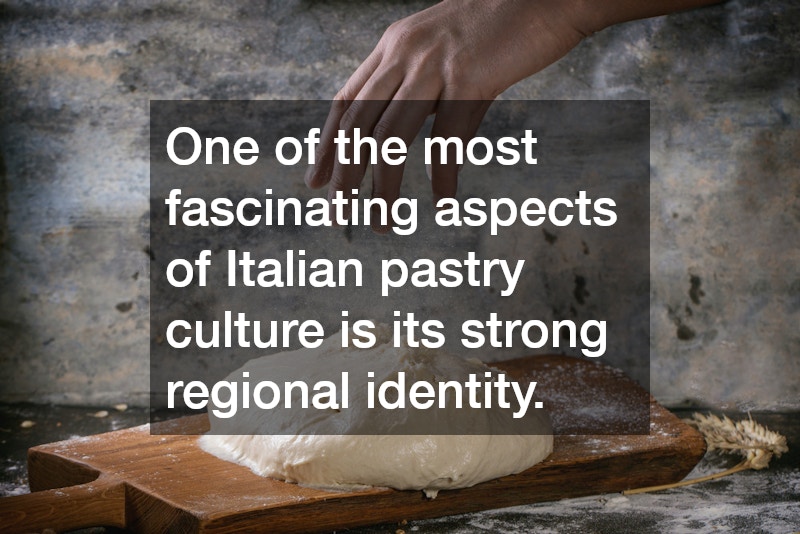
One of the most fascinating aspects of Italian pastry culture is its strong regional identity. Each area of the country developed desserts based on local ingredients, climate conditions, and cultural influences. As a result, Italy boasts an extraordinary variety of baked goods that differ significantly from one region to another.
Sicily is perhaps best known for iconic treats such as cannoli, which feature crisp pastry shells filled with sweet ricotta cream. The island’s history of Arab, Norman, and Spanish influence contributed to its distinctive dessert traditions. Citrus fruits, pistachios, almonds, and candied fruits remain prominent ingredients in many Sicilian recipes.
Northern regions developed their own specialties, often incorporating butter, cream, and rich doughs. Desserts such as panettone emerged from cities like Milan, becoming treasured holiday staples. In central Italy, bakers created pastries that reflected local agricultural products, including hazelnuts, chestnuts, and wine. These regional differences highlight the diversity that makes Italian baking traditions so unique.
Family recipes have also helped preserve local baking customs. For generations, recipes were passed down through households rather than formal culinary schools. Grandparents taught children traditional methods, ensuring that regional specialties remained connected to their communities. Even today, many bakeries continue to use recipes handed down for decades or even centuries.
The Evolution of Pastries in Modern Italy
As Italy entered the modern era, improvements in transportation and communication allowed regional desserts to gain national and international popularity. Travelers visiting different parts of the country discovered local specialties and shared them with others, helping beloved pastries spread far beyond their places of origin.
The nineteenth and twentieth centuries also brought advances in baking technology and ingredient availability. Refined sugar became more accessible, ovens became more reliable, and professional pastry schools expanded opportunities for formal culinary training. These developments enabled bakers to create increasingly sophisticated desserts while maintaining traditional flavors and techniques.
Immigration further contributed to the global appreciation of the Italian dessert tradition. Millions of Italians settled in countries around the world, bringing family recipes with them. Bakeries established by immigrant communities introduced cannoli, sfogliatelle, biscotti, and countless other treats to new audiences. Over time, these desserts became popular far beyond Italian neighborhoods and cultural celebrations.
The history of Italian baking reflects centuries of cultural exchange, regional creativity, and culinary craftsmanship. From ancient Roman sweets and medieval monastery recipes to modern bakery masterpieces, each era has contributed to the rich traditions enjoyed today. The enduring appeal of the Italian pastry lies not only in its delicious flavors but also in the stories, communities, and traditions behind every recipe. As bakers continue to preserve and reinterpret these treasured desserts, Italy’s remarkable pastry heritage remains an important part of the country’s cultural identity and culinary legacy.